
Research · Culture · Community
MATI
Archives
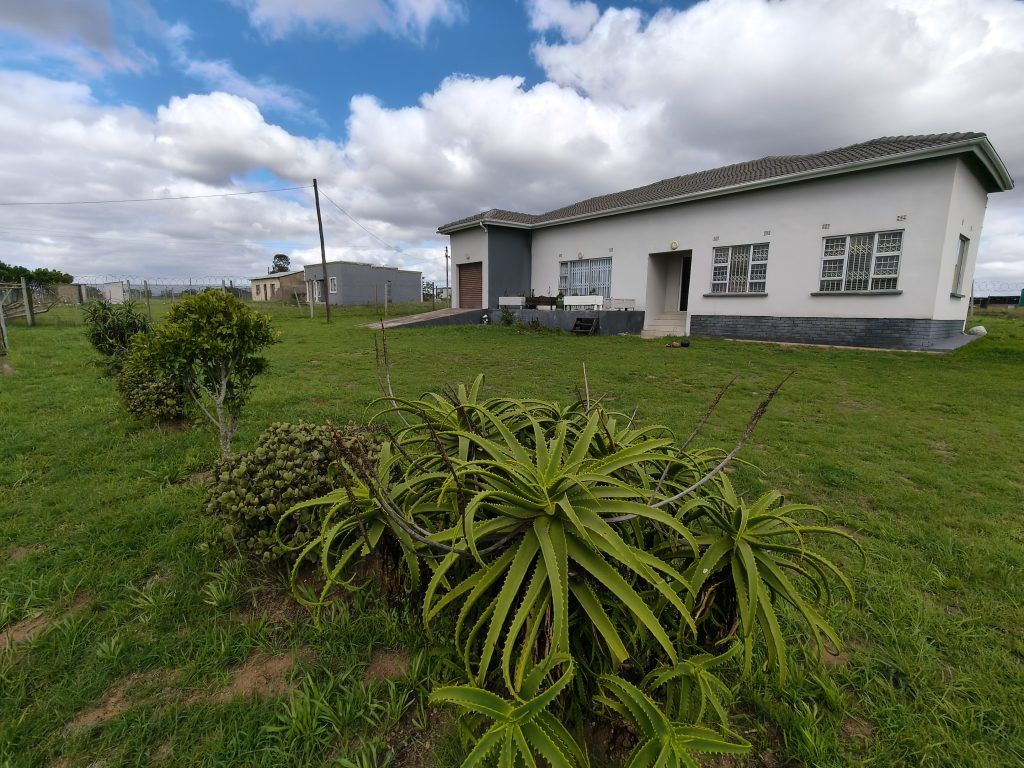
A space of relation rooted in the Eastern Cape,
reaching across the Black Atlantic.
An archive born
in the Eastern Cape.
MATI Archives was founded for the person who stands at the door having been drained by institutions — universities, libraries, archives — that held knowledge but not their reality. As a Black queer and trans person in the Eastern Cape, in Brazil, in the Caribbean, in the parts of the world that do not receive the world’s attention when it comes to queerness, you may have arrived at those institutions looking for yourself and left empty-handed.
MATI Archives exists because that experience is not a gap to be filled. It is a founding condition.
The name begins here, on this ground. Mati is an isiXhosa word for pair — two forms in relation, each incomplete without the other. In the Eastern Cape it is also a surname, carrying lineage, soil, and belonging.
"Across the Afro-Surinamese diaspora, Gloria Wekker showed us that mati names practices of intimacy and world-making — forms of life, desire, and relation that exist outside and beyond the terms offered by dominant culture. MATI Archives carries these layered meanings into practice."
For too long, knowledge produced here had to travel elsewhere to be recognised.
To Johannesburg, to Cape Town, to European and North American institutions, to archives that were never built with this community in mind. MATI Archives reverses that direction.
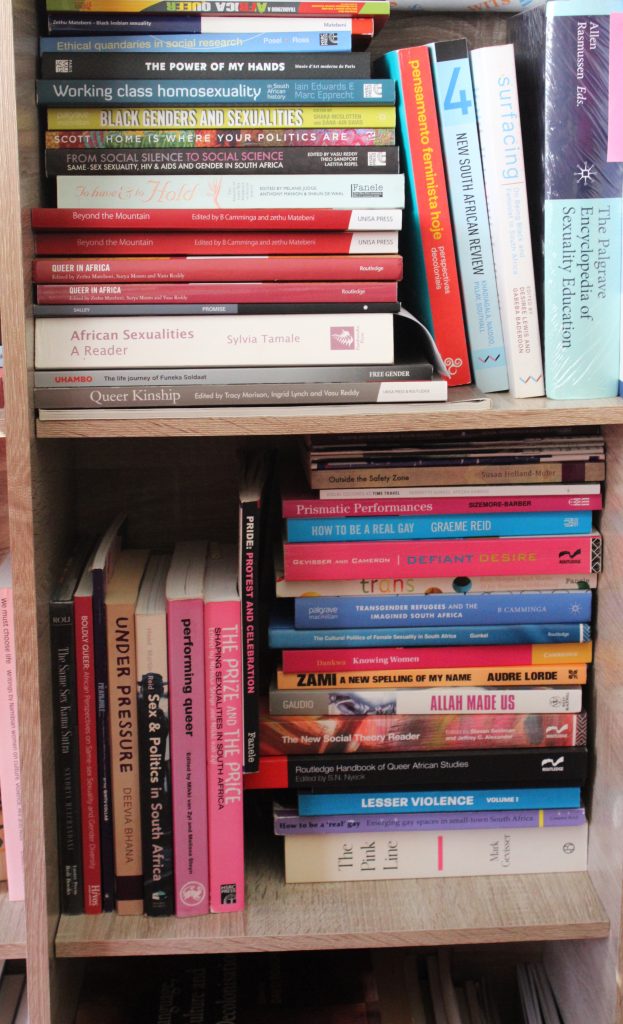
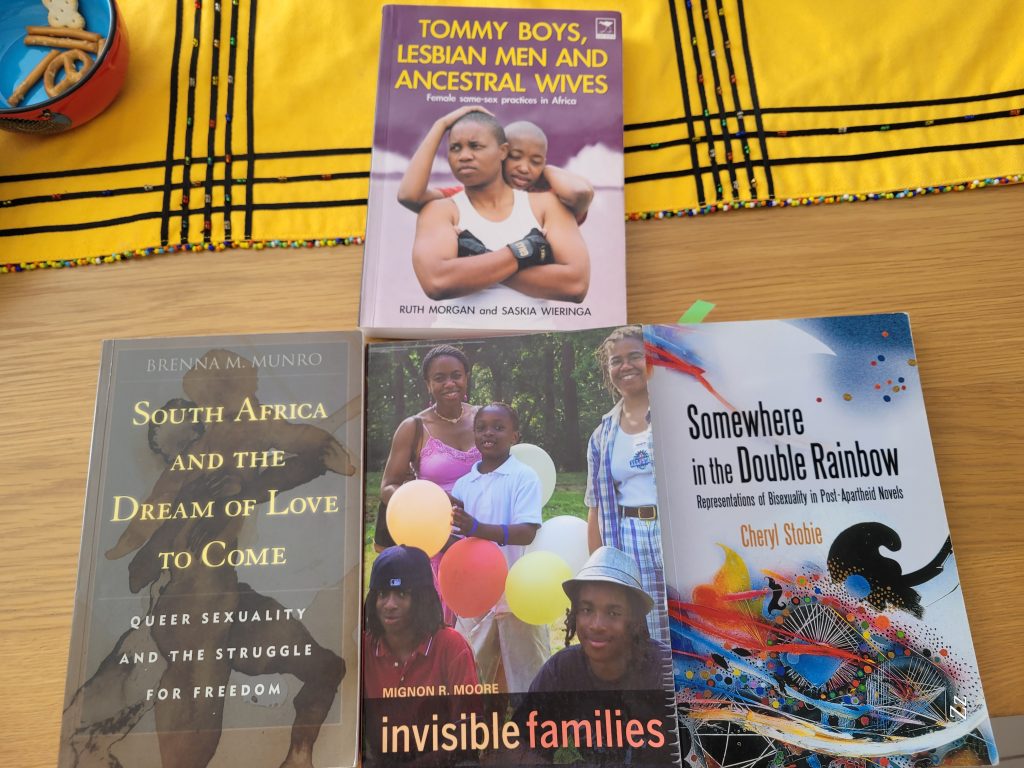
This is an archive born in the Eastern Cape, where archives are rare and the need for them is profound. At its centre is the MATI Research Collection — a growing specialist collection of nearly 1,000 titles in Black queer, feminist, decolonial, and pan-African scholarship, literature, performance, theatre, film, and photography.
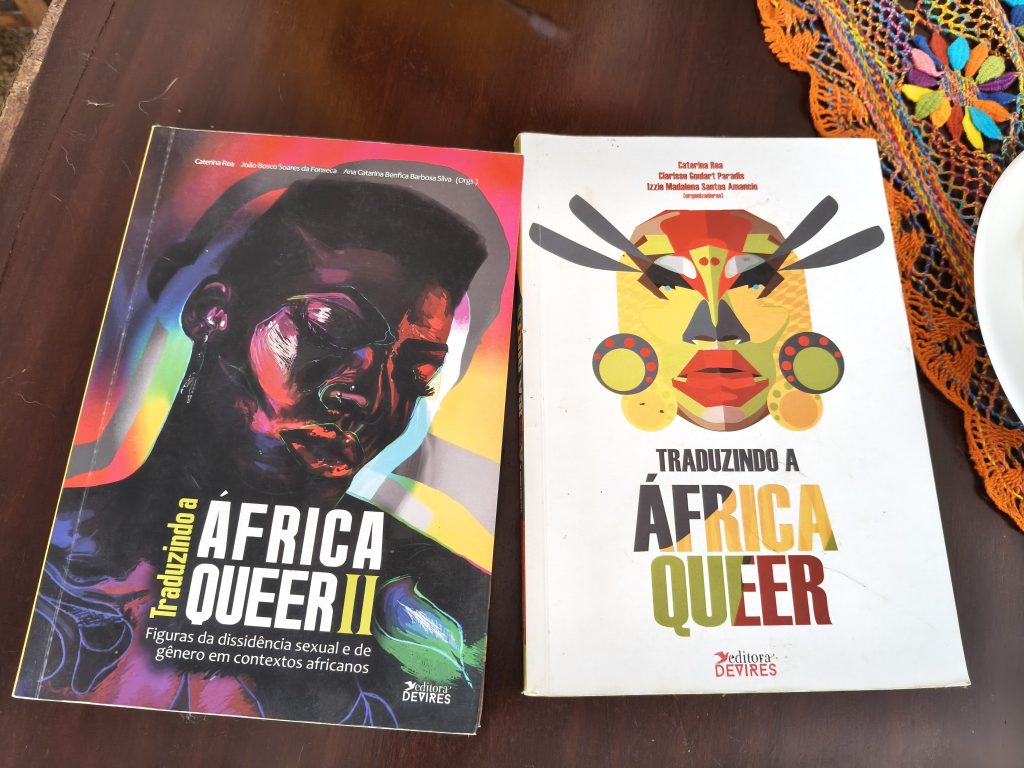
It includes rare and out-of-print titles and works in Portuguese, reflecting MATI Archives’ transnational reach across the Black Atlantic.
Between the Eastern Cape and Brazil. Between Southern Africa and the Caribbean.
MATI Archives was founded by zethu matebeni — scholar and cultural strategist — whose work moves between the Eastern Cape, Salvador da Bahia in Brazil, and Germany, asking what African and Afro-diasporic queer life looks like when it is centred on its own terms.
That transnational axis is not incidental to MATI Archives. It is structural. What we build here speaks to and learns from Black worlds that are connected across water by shared histories, shared erasures, and shared practices of survival and world-making.
We understand archives not as static repositories but as living practices of relation. MATI Archives imagines, theorises, creates, activates — and then documents and makes public.
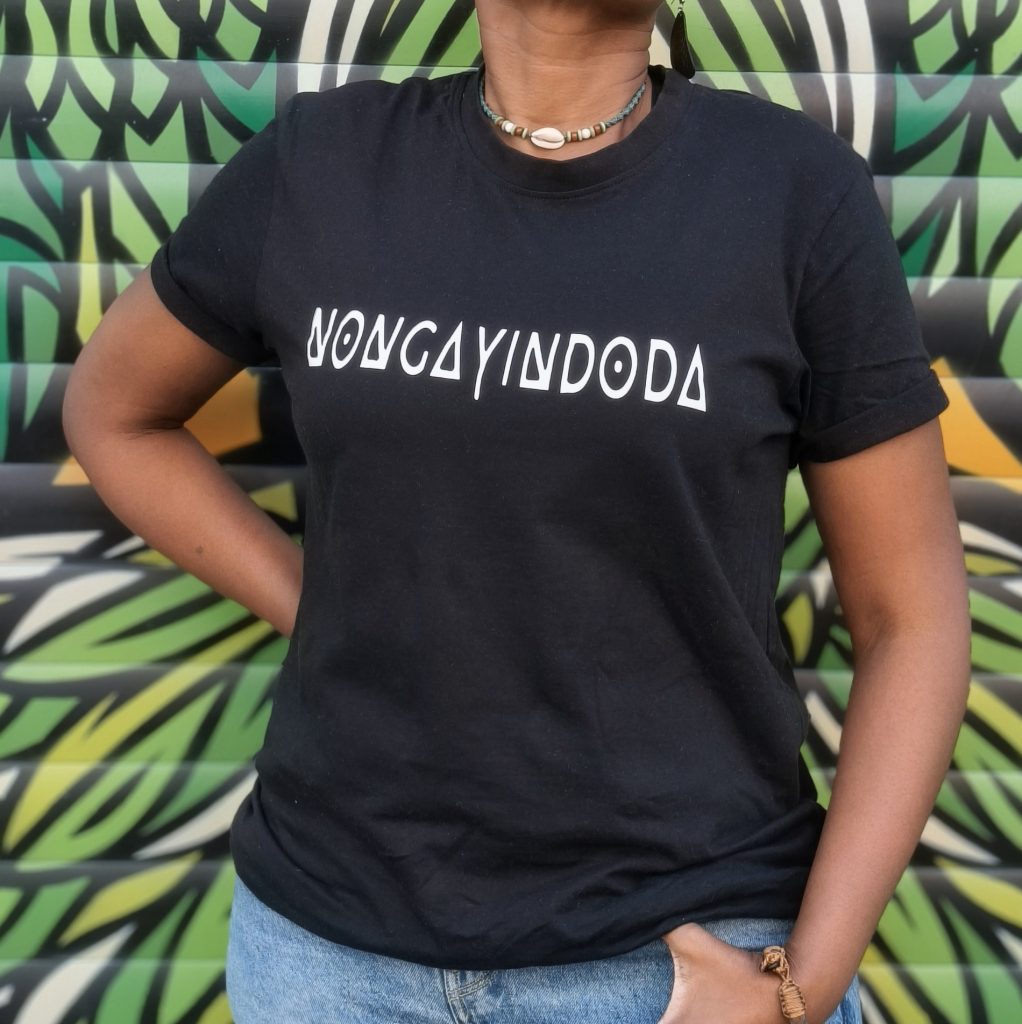
Theory that can be worn, spoken, filmed, beaded, and sung — not only read.
We build grounded theories: knowledge that moves in and with bodies, that is shaped by place and community rather than extracted from it.
We do decolonial research that begins from the Eastern Cape and travels. We publish, we convene, we make. We hold space for the thinking, the making, and the living that conventional institutions overlook or cannot yet name.
What we archive is not only what has been. It is also what is becoming.
"Everything MATI Archives does is rooted in grounded sensing — knowledge that comes from the ground where you are situated. From this ground, we research, publish, convene, make, and document. "
seven living commitments
Imagine, activate, and make public archives of Black feminist and queer world-making.
Convene transnational conversations across South Africa, Brazil, Germany, and the diaspora.
Publish and produce research grounded in place.
Generate and platform creative and intellectual practices that conventional institutions overlook or cannot yet name.
Curate exhibitions and events that bring Black queer and feminist visual and cultural practice into public life.
Produce material theory — objects that carry research into everyday life.
Create spaces where research, culture, and community are inseparable.
This is an archive of relation.
A space where memory is held collectively.
A platform where research, culture, and community are inseparable.
We begin in the Eastern Cape.
We speak to the world.